
A look at Black History Month
Kyle Jones, Guest Contributor
Using a melody that predates the American Civil War, a song known as “No More Auction Block for Me,” would become an anthem encapsulating the ethos of the modern-day Civil Rights Movement. The melody would find accompanying words at the turn of the century when prolific hymnist, Rev. Charles Tindley wrote a version that included the line, “I’ll overcome someday.” Later adopted by striking tobacco factory workers in 1946, it would take on its modern iteration as folk revivalist Pete Seeger reworked and taught his version throughout protest sites across the nation. Historians often consider “We Shall Overcome” the most prominent song of the Civil Rights Movement.
The creation of what was once known as Negro Achievement Week, now celebrated (throughout February) as Black History Month, was a part of Dr. Carter G. Woodson’s contribution in overcoming ignorance about the historical contributions of Black Americans. When I consider the celebration of Black History Month, I often think of how this history is filled with those who sought to overcome hindrances. Hindrances to education, hindrances to equal rights, and hindrances to equal access have remained an atrocious alliance against the betterment of Black life. At Arkansas Hospice, your life matters. And though Arkansas Hospice is affected by such hindrances, we are committed to overcoming them.
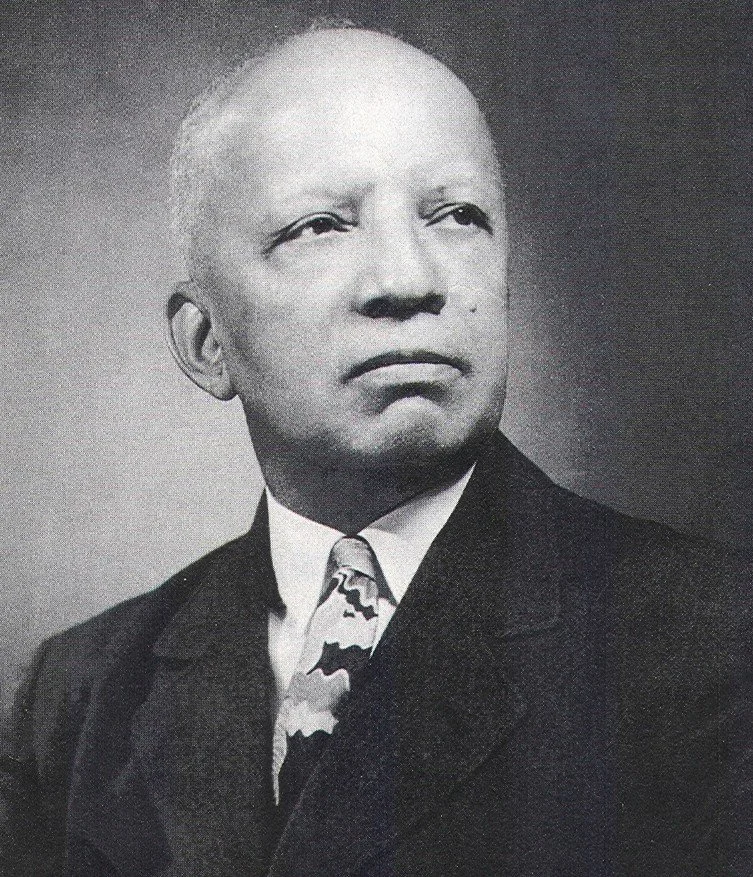
Dr. Carter G. Woodson
A hindrance that currently impacts Black communities is the significant disparity we face in hospice and palliative care usage. Nationally, usage rates of End-of-Life care for African Americans fall behind that of their Caucasian counterparts. The NHPCO Facts and Figures 2020 edition notes, “(Using national Medicare statistics) 50.7 percent of Medicare recipients utilize Hospice care overall. Of those 50.7%; 82% are Caucasian and only 8.2% are African American.” These disparities do not arise out of “thin air.” Tragically, history has been a hindrance. Portions of our history perpetuate negative perceptions among Black Americans and other minorities. This history impacts the rate at which minorities seek medical treatment of any form. When it comes to end-of-life and palliative care, these perceptions have a grave impact.
Though we are aware of the of the obstacles, our commitment to overcome remains. A grant from the Rita & Alex Hillman Foundation has been vital to our efforts to educate Black communities in rural Arkansas about the benefits of hospice and palliative care. The grant supports our “Faith, Hospice, and Love” initiative, a minority outreach program giving HOPE in hospice care. The mission of this initiative is to help expand the acceptance and understanding of hospice and palliative care among African Americans, especially in rural Arkansas.
If you would like to know more about our commitment to Diversity, Equity, and Inclusion please click here. If you would like to support our efforts, beyond attendance, you can click here to donate. These historical hindrances have constructed barriers to progress, but building bridges through communication, education, raising awareness of what hospice care is, and the benefits for patients and their caregivers, will help us to overcome. While the challenges may seem daunting, I – like those who have locked hands in unity over the course of our nation’s history — do believe, WE SHALL OVERCOME, SOMEDAY.